
Cuna del Mar's Donald Grant: "We're going to be much more present"
Donald Grant, the newly appointed managing partner of the impact investment fund Cuna del Mar, says the organization is shifting from being a pioneer in regenerative aquaculture to taking a more active global role. He explains that after 15 years of developing environmentally responsible aquaculture practices, the fund now plans to more openly share its knowledge and support others in the sector. “We’re going to be much more present,” Grant tells WeAreAquaculture, emphasizing their intent to engage with policymakers, investors, and industry partners to help scale sustainable aquaculture solutions.
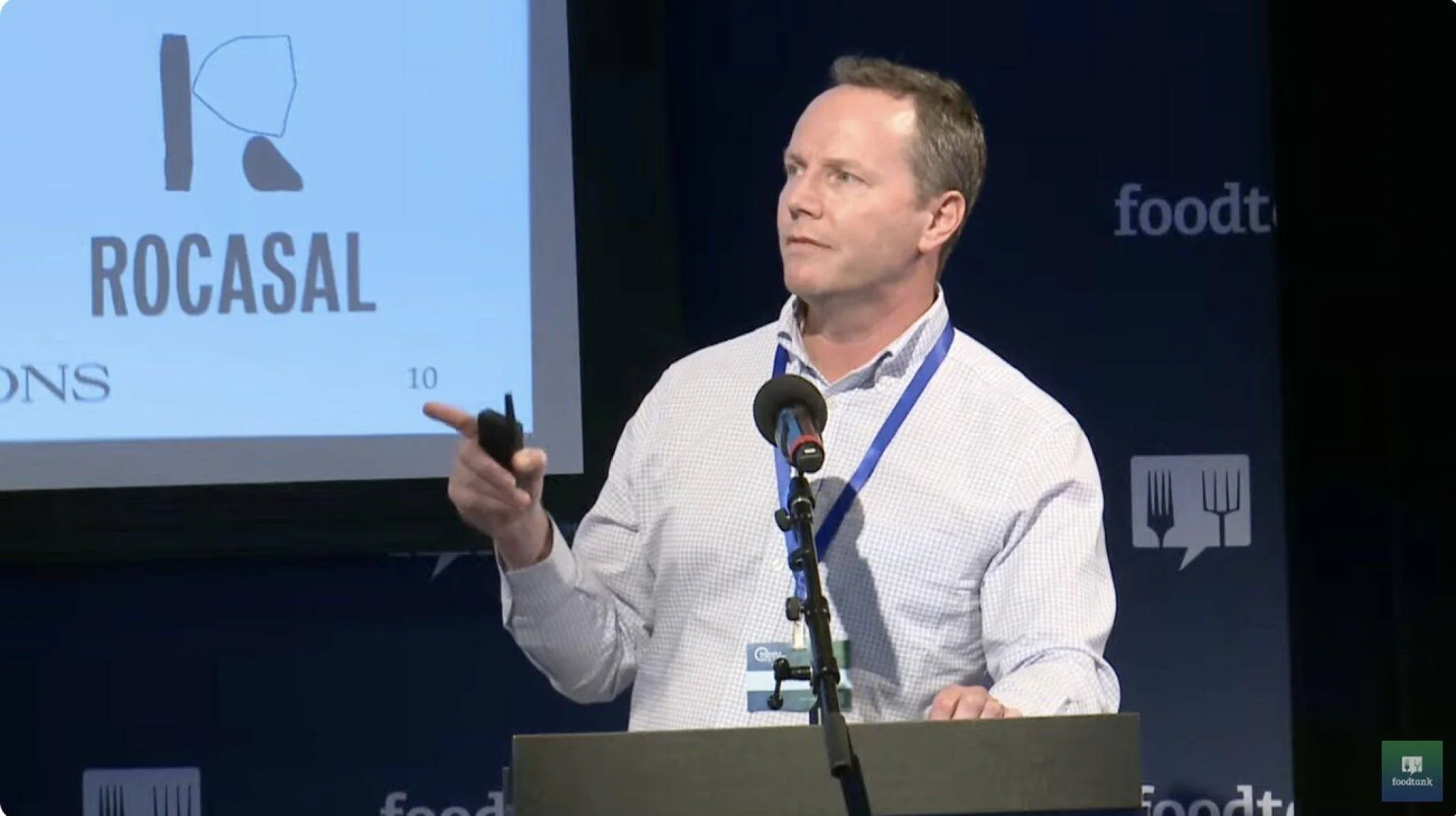
Cuna del Mar appoints new leader as it changes focus
Cuna del Mar, an impact investment fund dedicated to regenerative aquaculture, has announced the appointment of Donald Grant as its new managing partner.
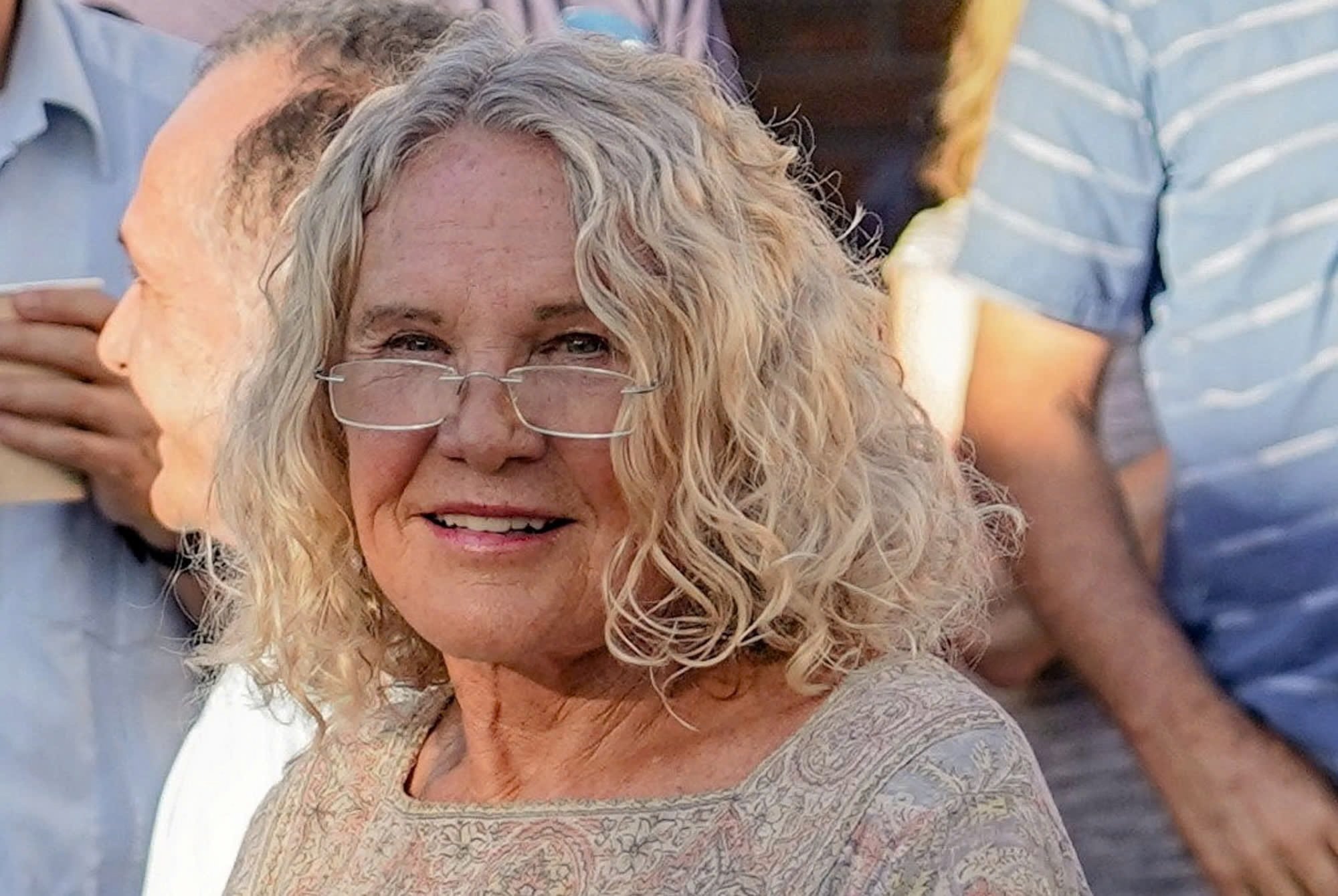
Exclusive: Why billionaire Christy Walton placed a bet on aquaculture's future
Christy Walton, owner of the aquaculture investment group Cuna del Mar, says she didn’t just want to buy companies — she wanted to help build the future of sustainable seafood by actively investing in and supporting innovative aquaculture ventures that can address global food and environmental challenges. Her focus is on driving long-term growth in regenerative and responsible aquaculture that can deliver both economic and ecological benefits.
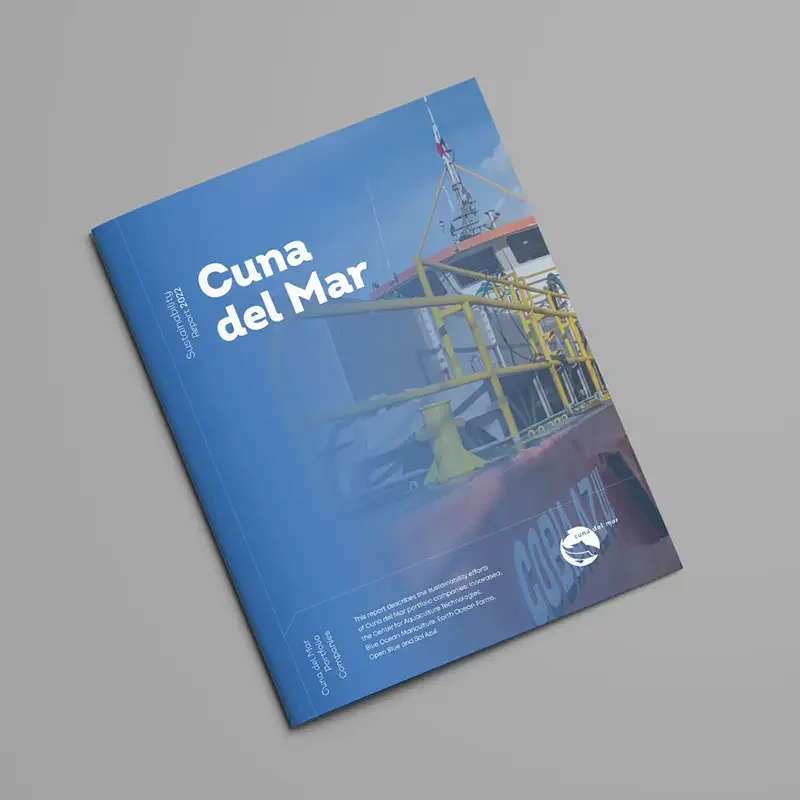
Sustainability Report 2022
This report describes the sustainability efforts of the Cuna del Mar portfolio companies: Innovasea, the Center for Aquaculture Technologies, Blue Ocean Mariculture, Earth Ocean Farms, Open Blue, and Sol Azul.
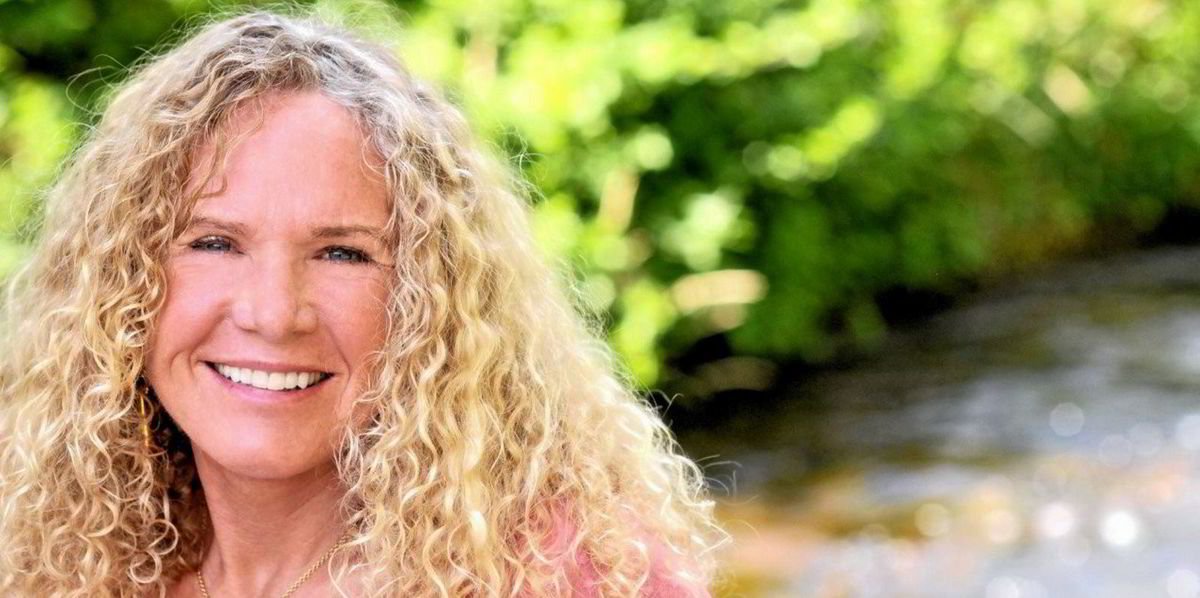
Christy Walton: It's time for investors to think differently about aquaculture
We as foundations, family offices and influencers in the space need to act and think differently about how to put capital to work.
The following guest commentary was sent to IntraFish by Christy Walton, a backer of aquaculture investment group Cuna del Mar and the daughter-in-law of Walmart founder Sam Walton.
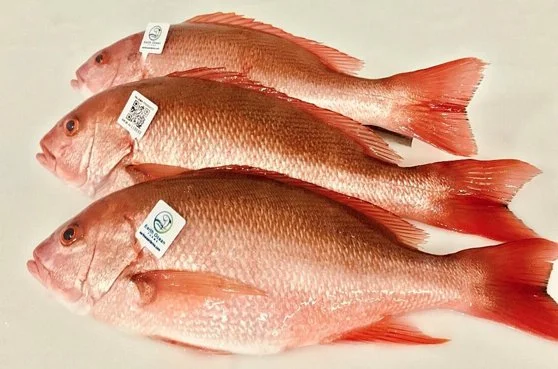
Red Snapper Genetic Secrets Unlocked
Scientists from the United States and Canada have developed a customized genetic breeding program specifically for Pacific red snapper to help improve growth performance and other desirable traits in aquaculture. This work, carried out in partnership with the Mexico-based company Earth Ocean Farms, uses genetic analysis and marker panels to accelerate selective breeding, with the goal of increasing productivity and ensuring healthy genetic diversity in cultured red snapper stocks.
Sustainability Report 2021
This report describes the sustainability efforts of the Cuna del Mar portfolio companies: Innovasea, the Center for Aquaculture Technologies, Blue Ocean Mariculture, Earth Ocean Farms, Open Blue, and Sol Azul.
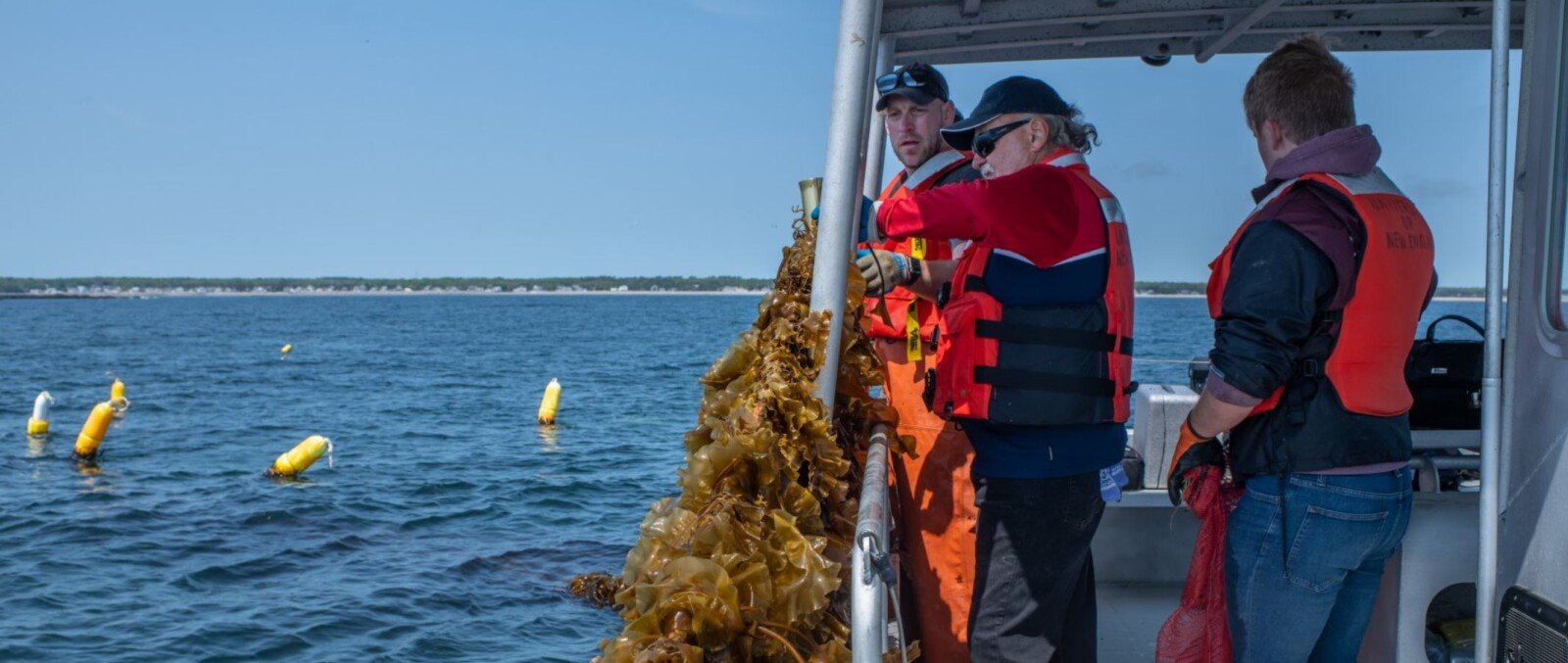
Restorative Aquaculture has Positive Impacts on Marine Life
The University of New England and The Nature Conservancy partnered on a global study showing that shellfish and seaweed farming can be a critical component of regenerative food production, helping meet nutritional needs while improving water and ecosystem health. The study reviewed research from around the world and found more fish and invertebrates around aquaculture sites compared with nearby areas, and increased species diversity in some cases. Mussel farms showed about 3.6 times more marine life, and oyster farms had roughly 30 percent more species than nearby waters.
Sustainability Report 2020
This report describes the sustainability efforts of the Cuna del Mar portfolio companies: Innovasea, the Center for Aquaculture Technologies, Blue Ocean Mariculture, Earth Ocean Farms, Open Blue, and Sol Azul.
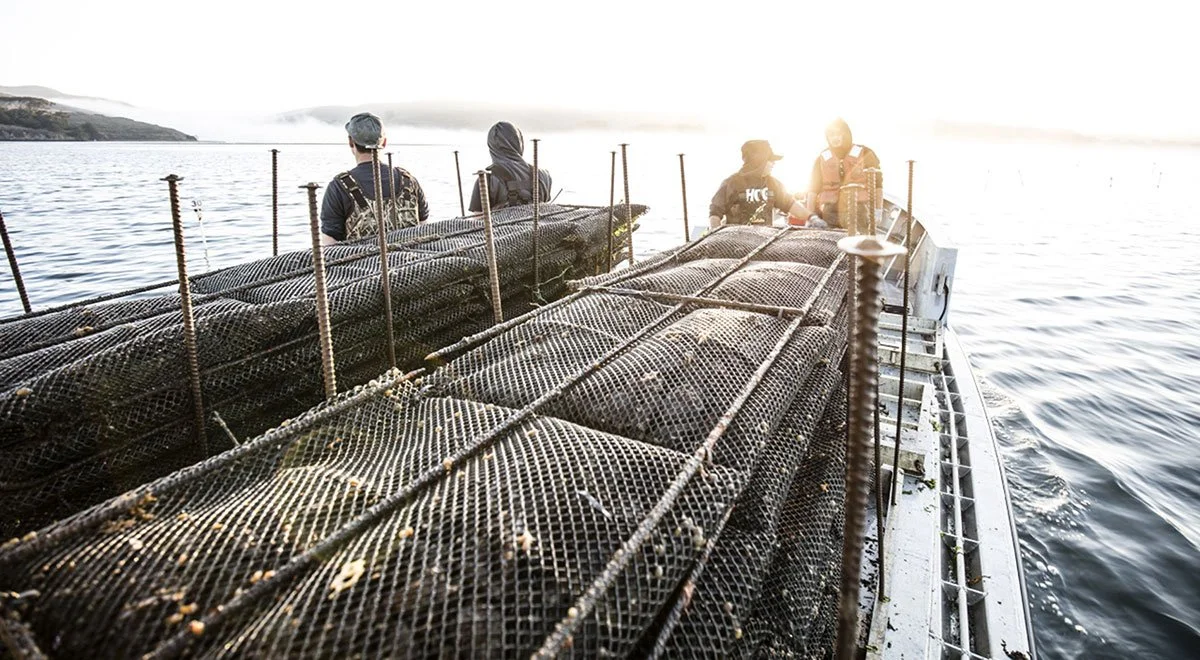
The Aquaculture Opportunity
Oyster farmers like those at Hog Island Oyster Company raise shellfish that require no food, land, or freshwater, and when done well, aquaculture can be one of the most low-impact, resource-efficient ways to produce food. With the global population expected to rise significantly by 2050, sustainable aquaculture offers potential not only to help feed a growing world but also to support coastal livelihoods and, in some cases, restore coastal ecosystems.